Australia’s student visa system is tightening but structured, with Higher Education at a 20-year low and clear country-based differences shaping approval outcomes across major source markets.
As many international students finalize their study plans for Fall 2026, some universities in Europe are still accepting late applications, offering additional time for students who missed earlier deadlines or are still preparing documents.
For years, international students pursuing a U.S. law degree have focused almost exclusively on the traditional “T14” law schools—a group of institutions long viewed as the gold standard for legal education and elite career outcomes in the United States.
New Zealand’s offshore student visa outcomes between 2022 and 2025 show a system that has moved through recovery, rapid expansion, peak demand, and eventual recalibration.
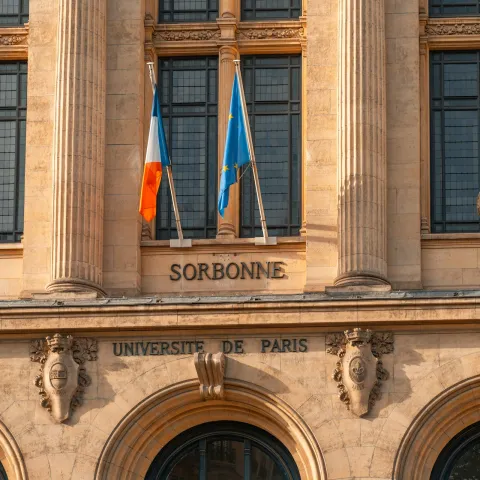
France has announced a major reform to its higher education system, significantly increasing tuition fees for non-EU international students starting from the 2026/27 academic year.
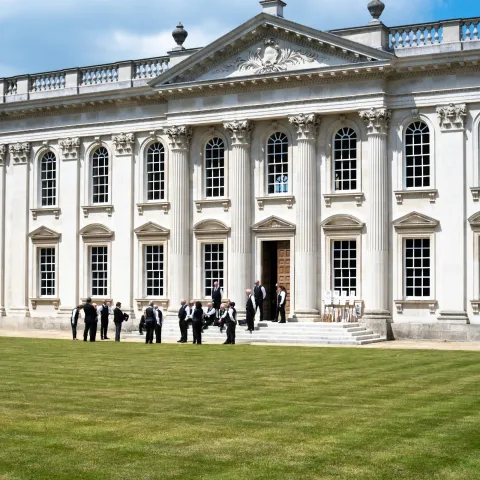
The Russell Group is an association of 24 leading research-intensive universities in the UK. Its members are widely recognized for academic excellence, strong research output, competitive admissions, and graduate employability.
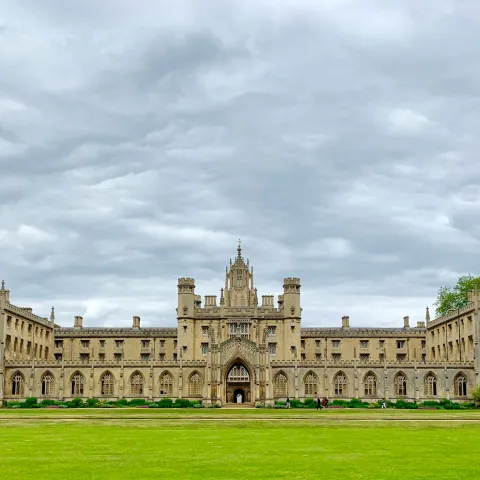
Compare the UK’s G5 universities—Oxford, Cambridge, LSE, Imperial, and UCL—by rankings, admissions, fees, student life, and career outcomes to find the best university for your academic and professional goals.
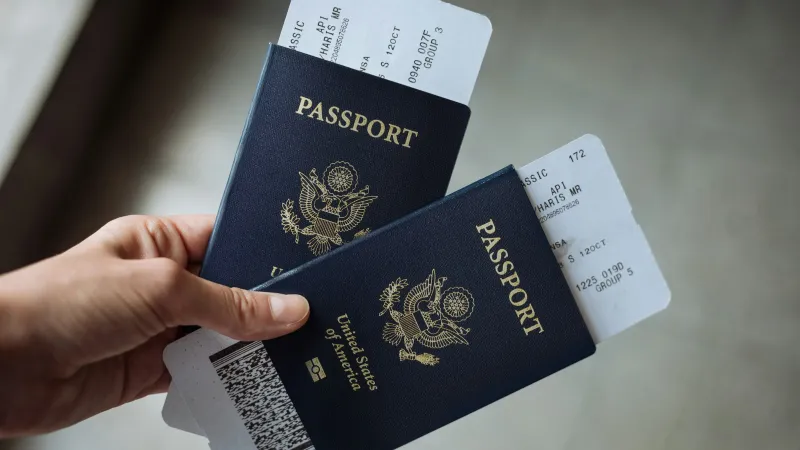
This guide helps international students understand the visa policies they can rely on after graduation in key study destinations. It covers the types of visas available, duration, and whether you need an employer to sponsor your work visa.